
 Save
Save
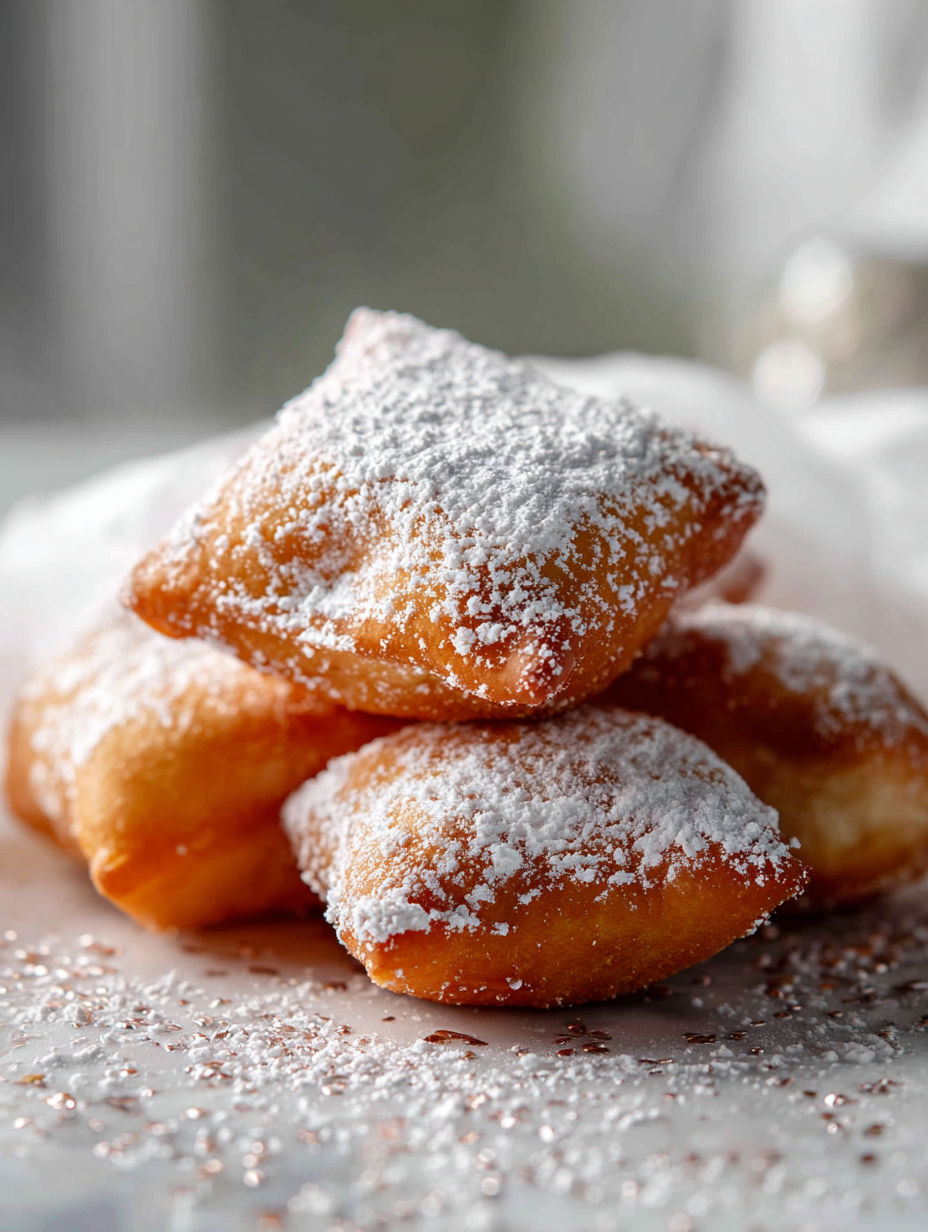
Make these fluffy New Orleans beignets and add a bit of charm from 'The Princess and the Frog' to your kitchen. These airy fried dough squares with a dusting of powdered sugar are great for lazy weekend mornings or when you want to wow friends with a homemade touch.
I gave these beignets a try on a whim craving something special and now they're a favorite for brunch. The dough feels perfect to work with and watching the pieces puff up in hot oil never gets old.
What You Need
- Milk warmed up: kicks the yeast into action for fluffiness. Warm it up to about body temp so the yeast stays alive.
- Sugar: split between feeding the yeast and sweetening the dough. Fine sugar helps it dissolve fast.
- Active dry yeast: makes the dough rise and gets that light texture. You can swap fresh yeast but keep the amount the same.
- An egg at room temp: helps hold the dough together and keeps it moist.
- Butter melted and unsalted: adds a rich taste and softness. Use fresh butter that smells nice.
- Real vanilla extract: brings a gentle sweet aroma. Go for pure vanilla, not fake stuff.
- Salt: evens out sweetness and boosts other flavors. Fine salt works best.
- All-purpose flour: forms the dough’s base. Start with 2 3/4 cups, add up to 3 cups if needed depending on humidity; fresh flour helps keep beignets tender.
- Vegetable or peanut oil: stands up to high heat without messing with flavor for frying.
- Powdered sugar: sprinkled on top for the classic sweet finish. Sift it fresh to avoid lumps.
How To Make Them
- Wake Up the Yeast
- Mix warm milk, 2 tablespoons sugar, and the dry yeast in a bowl. Let it sit still for at least 5 minutes until it looks bubbly and foamy, meaning the yeast is ready.
- Combine the Rest
- Add the remaining sugar, the egg, melted butter, vanilla, and salt to the yeast mix. Stir well so everything blends smoothly.
- Add Flour and Knead
- Use a dough hook on your mixer or a spoon if you’re doing it by hand. Slowly add flour while mixing, knead for 3 to 4 minutes. The dough should pull from the bowl edges and feel smooth and stretchy but a bit sticky. Sprinkle a bit of flour if it’s too wet but don’t add too much to keep beignets soft.
- Let It Rise
- Cover the bowl loosely. Leave the dough at room temp for at least 2 hours or pop it in the fridge overnight. This slow rise helps build flavor and lets the dough double in size for light, fluffy beignets.
- Get Your Oil Ready
- Fill a heavy pan or Dutch oven with about 2 inches of oil. Heat it on medium until it hits 350°F. Use a thermometer so the oil isn’t too hot or cool, which can mess with cooking.
- Cut Out the Beignets
- Flour your work surface lightly. Scrape out the dough onto it with a rubber spatula. Flour the dough and rolling pin, then roll into a rectangle about ½ inch thick. Cut into 1 to 2 inch squares with a pizza cutter or sharp knife.
- Fry Until Puffy
- Carefully lower 4 or 5 squares into the hot oil. Fry about 2 to 2 ½ minutes, flipping once, until they’re golden and puffed up. If they don’t puff, the oil’s not hot enough. Drain on paper towels to soak up extra oil.
- Serve Hot with Sugar
- Let the beignets cool just a bit, then dust generously with powdered sugar. Eat them right away for the best light and sweet treat.
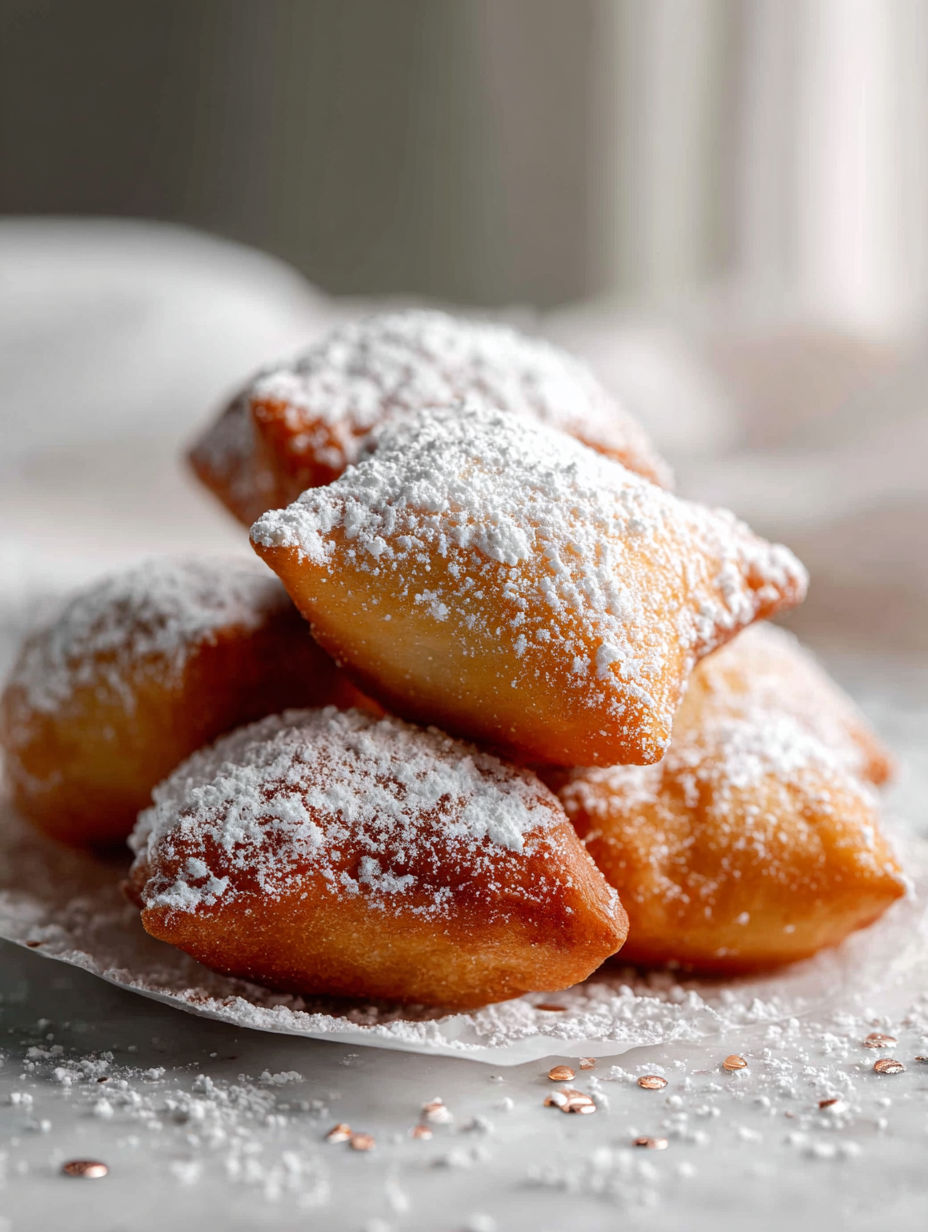
I love how the butter and vanilla come through so gently in each bite. One time, we made these beignets for a family brunch and shared New Orleans stories inspired by the movie, turning breakfast into a fun, sweet memory.
Keeping Them Fresh
Let beignets cool fully before putting them in an airtight container at room temperature. They’ll keep for about 2 days. Warm them briefly in the oven to get back their crispiness. Don’t refrigerate since it dries them out fast.
Swaps and Changes
You can swap milk with almond or oat milk for a dairy-free twist but keep it warm to wake the yeast. Butter works fine as coconut oil for a different flavor. Active dry yeast and instant yeast can replace each other; just tweak the activation a bit.
Tasty Serving Tips
Try these beignets with fresh fruit jams, chocolate dip, or a hot coffee mug. For a little kick, sprinkle some cayenne along with powdered sugar for a spicy-sweet combo.
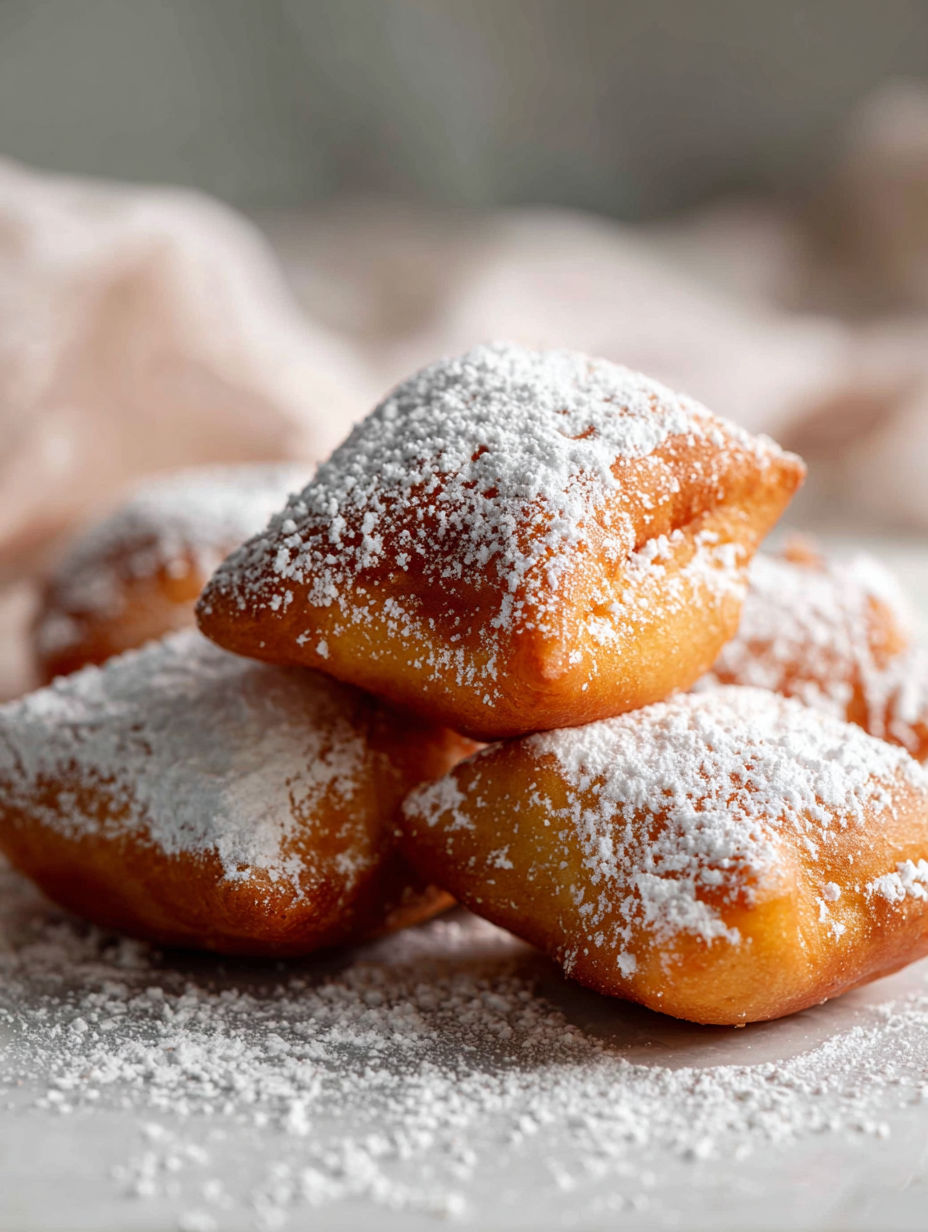
This New Orleans classic brings a bit of joy in every bite.
Frequently Asked Cooking Questions
- → What helps the beignets stay light and fluffy?
Letting the yeast do its thing and giving the dough plenty of time to rise traps air, making them super airy when fried.
- → Are there other oils I can use for frying?
Peanut oil or vegetable oil are your best bets since they handle heat well and keep the beignets crispy without burning.
- → How do I tell when the oil is hot enough for frying?
Keep the temperature near 350°F (175°C). Using a thermometer helps you keep it steady so everything cooks evenly.
- → Why should the dough feel a bit sticky before it rises?
That slight stickiness means there’s enough moisture and stretchiness, which makes the beignets nice and tender once fried.
- → What’s the tastiest way to serve these beignets?
Let them cool just a little after frying, then pile on plenty of powdered sugar. Serve them warm for the best taste and fluffiness.